The Science of Diamond Cutting
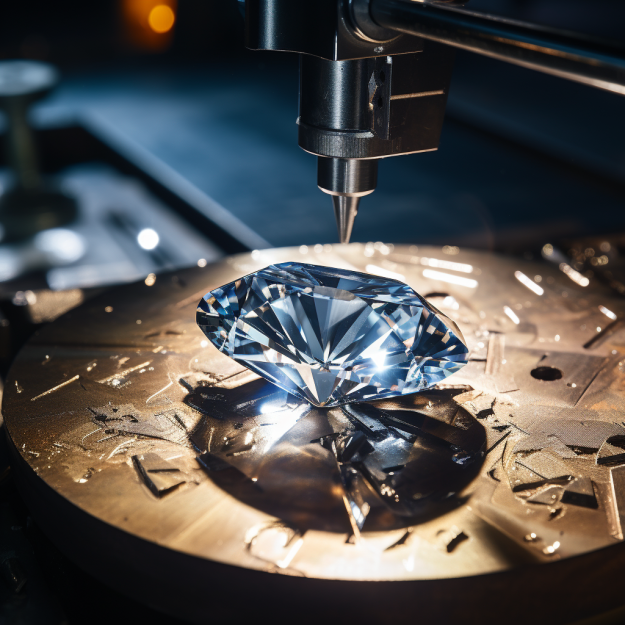
Diamonds, nature’s purest form of carbon, have been cherished by humanity for centuries, prized for their durability, rarity, and brilliant luster. The path to transforming these rough stones into spectacular pieces of fine jewelry is an art form in itself, perfected by master diamond cutters over the ages. Understanding how master diamond cutters create jewelry allows you to fully appreciate the sparkle that enchants you when you behold a diamond.
Diamond cutting is a process that entails meticulously carving a diamond’s rough exterior to reveal its radiant beauty. This science-driven art form plays a fundamental role in the creation of fine jewelry, determining a diamond’s brilliance, value, and overall aesthetic appeal.
Understanding the Role of Diamond Cutting
The primary purpose of diamond cutting is to shape the rough diamond into a symmetrically balanced and faceted gemstone, maximizing its brilliance (the total light reflected from a diamond), scintillation (sparkle), and fire (the dispersion of light into the colors of the spectrum).
Cut quality significantly affects a diamond’s beauty and value, constituting one of the 4 Cs (cut, color, clarity, and carat) that diamond experts use to assess a diamond’s worth. The Gemological Institute of America (GIA), one of the most respected organizations in the diamond industry, access cut on a five-point grading system ranging from Excellent to Poor.
An Excellent cut reflects the highest amount of light and exhibits maximum fire and brilliance. In contrast, a Poor cut reflects only a minimal amount of light due to its imperfect facet arrangement, resulting in less sparkle and attractiveness.
From Rough to Refined
The diamond cutting process involves several stages that gradually shape rough diamonds into their final polished forms. These stages include:
1: Planning
Master diamond cutters carefully analyze rough diamonds, considering their shapes, sizes, and potential flaws, before creating detailed cutting and shaping plans.
2: Cleaving or Sawing
Rough diamonds are divided into smaller pieces using cleaving or sawing techniques. Cleaving involves splitting diamonds along natural planes, while sawing uses specialized diamond-coated blades.
3: Shaping
Master cutters use specialized tools to shape diamonds, creating facets that interact with light to enhance their beauty. This shaping process includes both faceting and bruting, which involve cutting the diamond’s surfaces and shaping the girdle, respectively.
4: Polishing
After shaping, diamonds undergo meticulous polishing to achieve a smooth and reflective surface. Diamond dust, combined with various polishing techniques, is used to attain the desired finish.
5: Final Inspection and Certification
After polishing, the diamond is carefully inspected for any potential flaws that may have been overlooked or introduced during the cutting process. Only after this rigorous quality control process can the diamond be considered ready for setting into a piece of fine jewelry.
Cuts and Shapes
Diamond cuts and shapes significantly influence a diamond’s brilliance. Each shape has a unique facet arrangement, affecting light reflection and ultimately its overall appeal.
The round brilliant cut, with its 58 facets, is the most popular for its superior brilliance. This cut was mathematically conceived by Marcel Tolkowsky in 1919 to maximize light return, setting the standard for what’s often referred to as the “ideal cut.” Tolkowsky’s calculations took both brilliance and fire into consideration, creating a balance that delivers a spectacular sparkle.
Other popular shapes include the square-shaped princess cut, known for its modern lines and impressive light performance, and the timeless emerald cut with its rectangular shape that showcases diamond clarity like no other cut. The distinctive pear or teardrop cut is a fusion of the round and marquise cuts, favored for various jewelry pieces.
When selecting a diamond, consider the cut and shape in relation to personal style and the design of the jewelry. Every diamond shape carries its unique charm, significantly contributing to the allure of the final piece.
The Importance of Diamond Cut in Jewelry
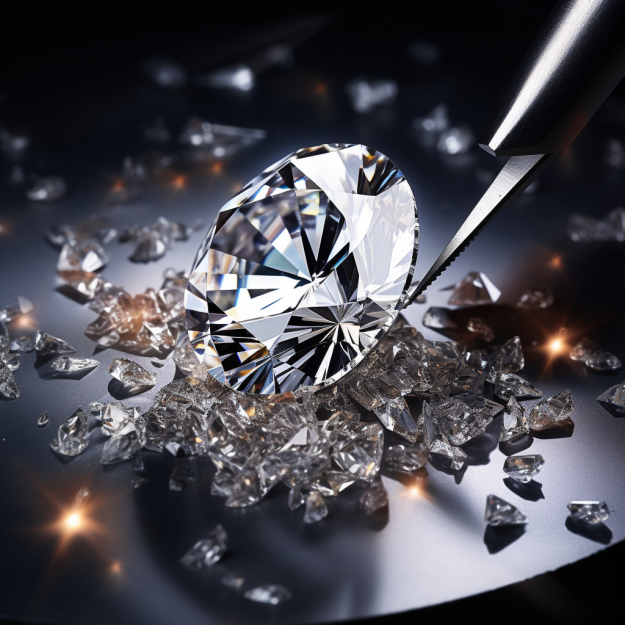
Diamond cutters play a vital role in the world of diamond jewelry. Their craftsmanship and attention to detail significantly impact the final appearance and value of diamonds. Well-cut diamonds enhance the overall beauty of jewelry, capturing attention with their dazzling sparkle and brilliance.
The science of diamond cutting involves a captivating blend of artistry, precision, and scientific principles. Master diamond cutters utilize their expertise and craftsmanship to shape rough diamonds into exquisite gemstones that adorn fine jewelry. From meticulous planning to final polishing, each step in the diamond cutting process contributes to unlocking the stones’ true beauty.
The next time you admire the brilliance of a diamond, take a moment to appreciate the artistry and skill of the master diamond cutters who transformed it into a mesmerizing jewel. The world of diamond cutting continues to evolve, and these artisans remain at the forefront, creating timeless treasures that captivate hearts and inspire awe.
Discover the extensive selection of awe-inspiring diamonds from The Diamond Vault. Find your perfect diamondby starting with your preferred shape.