A Brief History of Diamonds
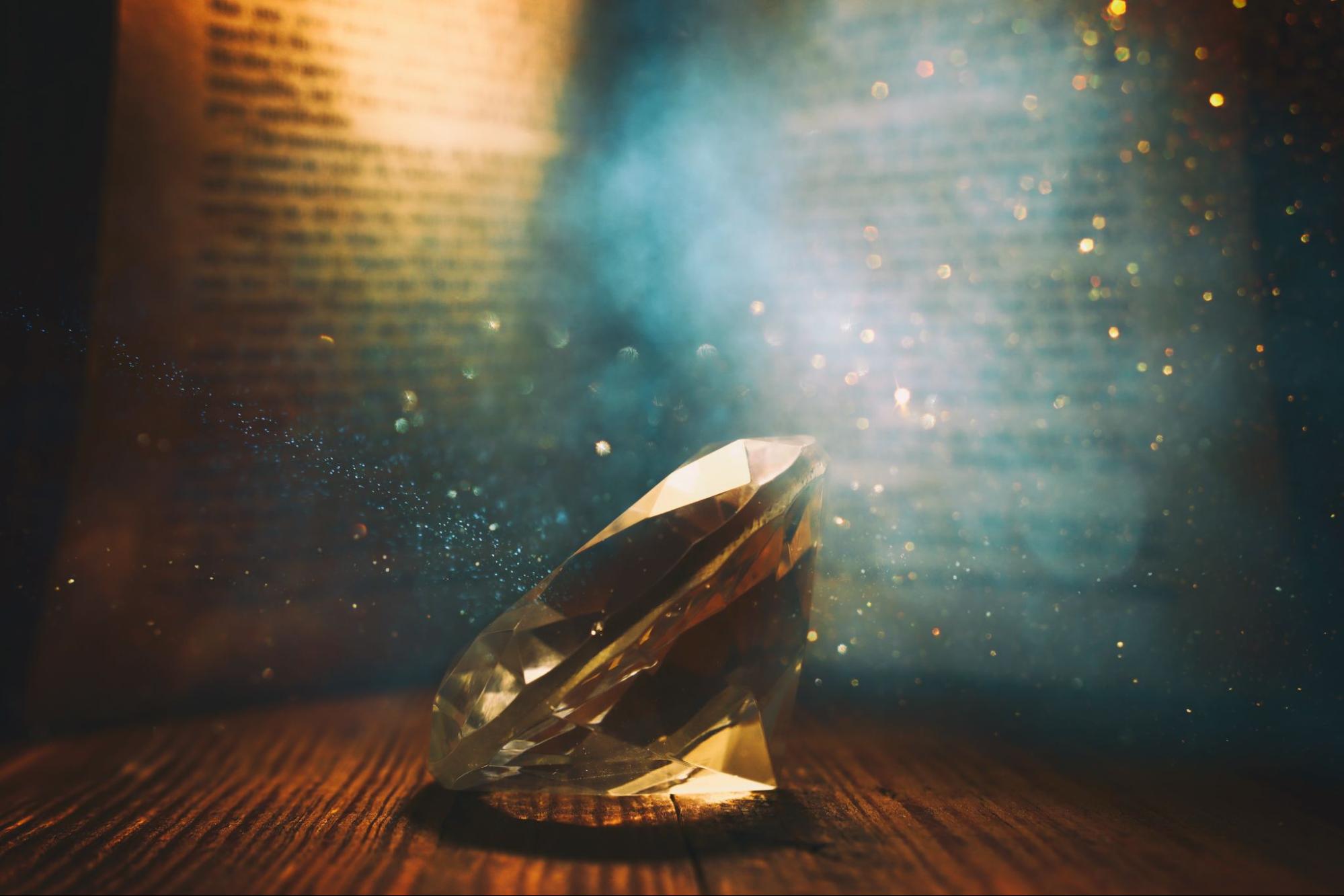
Diamonds, those mesmerizing symbols of wealth and romance, have captivated humanity for millennia.
Below, we embark on a glittering journey through the archives of time, tracing the path of diamonds from their ancient origins to the masterpieces of the modern era.
We’ll explore their historical significance, evolving symbolism, and the technological advancements that have transformed their role in society.
Join us as we delve into the lustrous world of diamonds, uncovering the stories and secrets embedded in their sparkling depths.
Formation
The history of diamonds begins at formation. Diamonds form in a remarkable process that begins deep beneath the earth’s surface in the mantle. The process takes place approximately 90 miles beneath the surface, where conditions are extreme. Temperatures soar to about 2,000 degrees Fahrenheit and pressures are immensely high.
It’s here that carbon atoms undergo a transformation over billions of years, crystallizing into diamonds. These gems are then propelled upward to the Earth’s crust by the force of volcanic eruptions through kimberlite pipes, a rare and powerful geological phenomenon.
Contrary to popular belief, diamonds are not refined coal; they predate the formation of coal by eons, emphasizing their distinctiveness in the natural world.
Their journey from the depths of the Earth to their eventual discovery and mining is a testament to their rarity and the extraordinary conditions required for their creation.
Ancient Beginnings
The cultural significance of diamonds begins in the depths of antiquity, where they were revered not just for their beauty, but for their supposed mystical powers.
Ancient Indian texts, dating back to the 4th century BC, reference diamonds as symbols of strength and courage.
In these early days, Indian diamonds were reserved for the elite, often gracing the crowns and swords of royalty and warriors.
Their unbreakable nature made them symbols of power and invincibility in ancient mythologies, setting the stage for their enduring allure.
The Middle Ages
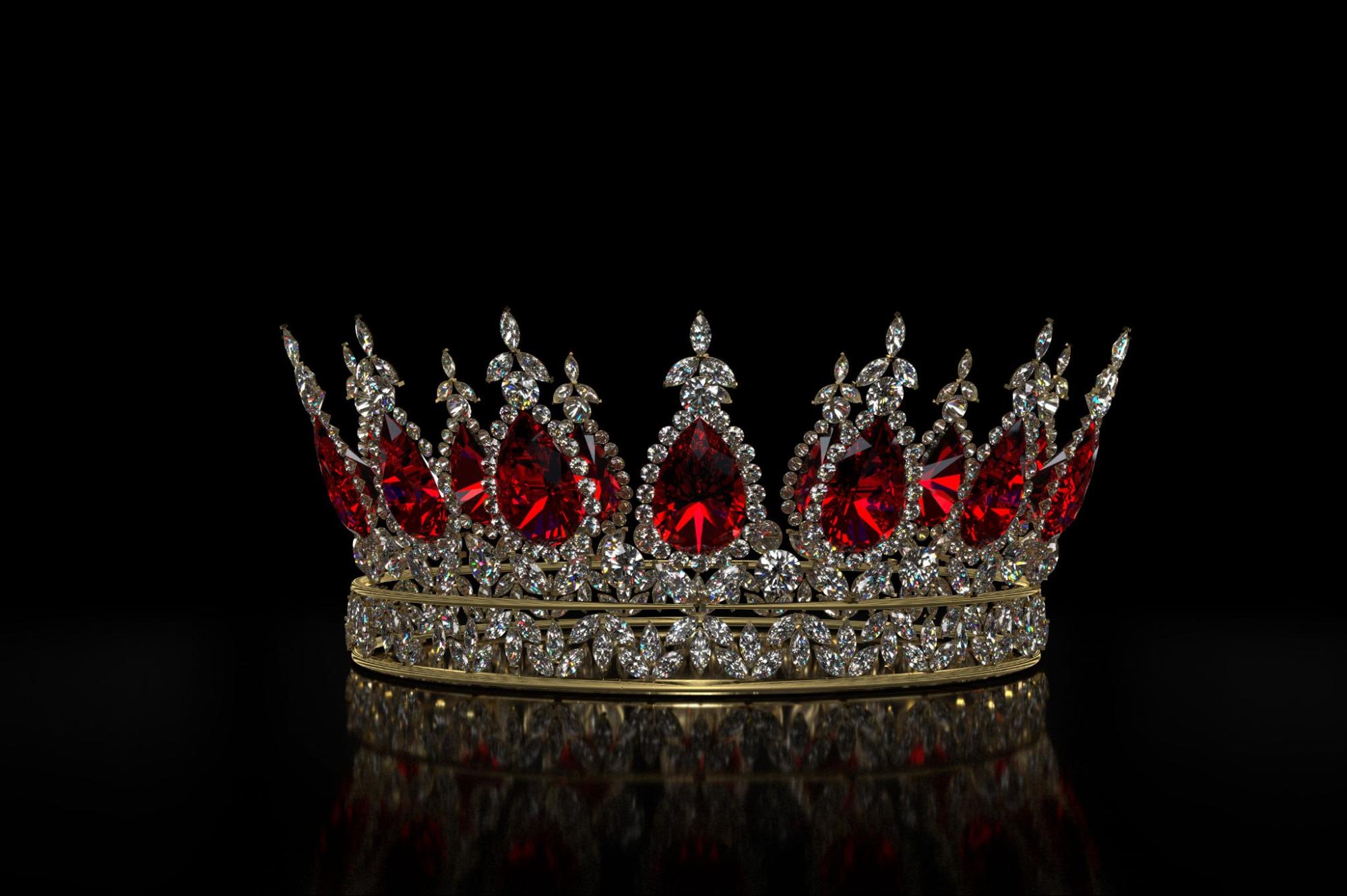
In medieval Europe, diamonds took on a more spiritual and religious significance. They were believed to possess healing properties and were often used as talismans to ward off evil.
This era saw the diamond as an enduring symbol of purity and perfection, often incorporated into the regalia of monarchs and the church.
The famous Koh-i-Noor and Hope diamonds have their roots in this period, embodying the awe and mystery that surrounded these precious stones.
The Renaissance
The Renaissance brought a renewed fascination with diamonds, spurred by advancements in cutting techniques.
This era saw the birth of the point cut and the table cut, enhancing the diamond’s ability to reflect light.
It was a time when diamonds began to be more widely used as ornamental jewels, adorning the nobility of Europe.
The era’s luminaries, like Queen Elizabeth I, showcased diamonds as symbols of power and status, further cementing their place in the annals of luxury.
The Age of Exploration
The discovery of diamond mines in Brazil in the 1700s, followed by rich deposits in South Africa in the 19th century, marked a pivotal moment in diamond history. These discoveries shifted the center of the diamond trade from India to the West, bringing about a revolution in the availability and global distribution of diamonds.
This era was characterized by the rise of major trading companies and the establishment of diamond markets in European cities, forever altering the landscape of the diamond industry.
The Industrial Revolution
The Industrial Revolution was a catalyst for change in the diamond industry. Technological advancements in the 19th century led to the development of sophisticated diamond cutting and polishing techniques, such as the steam-powered bruting machine and the scaif.
These innovations made it possible to create diamonds with unprecedented precision and brilliance.
The period also saw a surge in the popularity of diamond jewelry among the burgeoning middle class, as diamonds became more accessible to a wider audience.
The 20th Century
The 20th century marked a transformative period in the history of diamonds, characterized by significant shifts in both the industry and public perception.
This era saw the rise of powerful marketing campaigns that ingrained diamonds as the ultimate symbol of love and commitment, forever linking them with romance and marriage.
Technologically, the century was a groundbreaking period for diamond cutting and craftsmanship. The development of the modern round brilliant cut was a notable milestone, revolutionizing the way diamonds were appreciated for their fire and brilliance. This cut set new standards in the industry, enhancing the intrinsic beauty and allure of diamond jewelry and solidifying its status as a coveted possession in modern society.
Modern Day
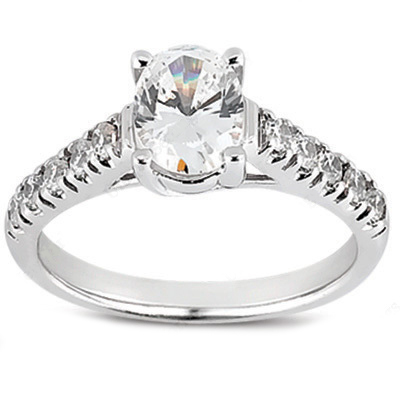
In the modern era, the quest for the perfect diamond is not just about finding a stunning gem—it’s about discovering a diamond that resonates with your individual style, meets your budget, and comes with the assurance of quality and integrity.
At The Diamond Vault, we embody this modern-day diamond journey, offering an unparalleled selection and expertise that stands out in the world of fine jewelry.
As a premier wholesale diamond jeweler, we specialize in certified diamonds between one and ten carats, offering a selection that surpasses the ordinary.
Shop our engagement rings, bracelets, earrings, and more on our website or in person at our Scottsdale, AZ location today!
Sources: